
Becoming Organic
So, you’ve decided that you would like to embrace a healthier lifestyle by eating organic. The term organic refers to the way in which agricultural products are grown and processed as well as food that is produced using environmentally and animal friendly farming methods. When someone decides they would like to eat organically it simply means selecting foods that are organically certified. This means fruits and vegetables have been grown without the use of pesticides, synthetic fertilizers, sewage sludge, genetically modified organisms, or ionizing radiation. With respect to animal products and being organic, the animal providing the meat, poultry, eggs and dairy products have not taken any antibiotics or growth hormones. Organic standards also ban the use of artificial food colours, flavours, sweeteners, preservatives and other processing aids and ingredients found in processed foods.
Pesticide Residues on Organic and Conventional Fruits and Vegetables
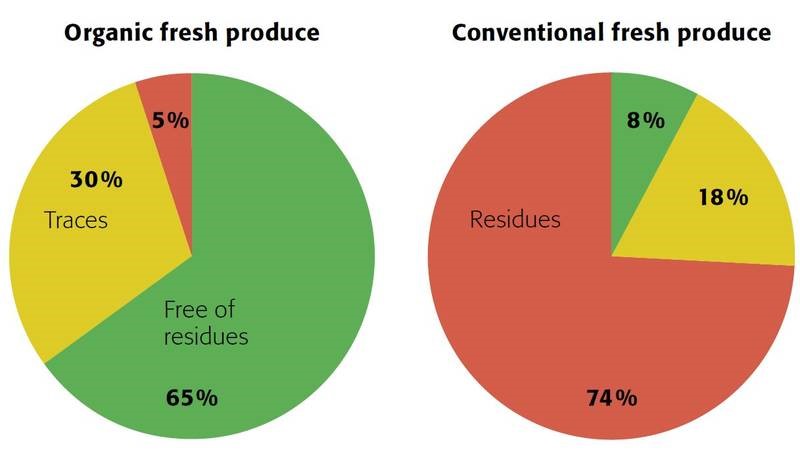
Reasons to choose organic products?
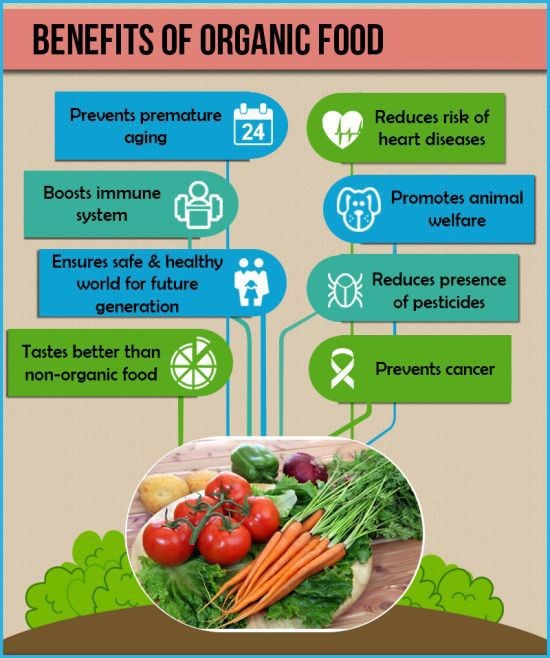
1. Eliminating harmful chemicals from your diet. Many herbicides and insecticides are often used in farming and have been found to be carcinogenic, hormone replicators and negative for children’s development.
2. Organic farming builds healthy ecosystems, and has a higher biodiversity which promotes sustainability as well as an ecological balance.
3. Help to reduce pollution and wasted energy. It takes more energy to produce synthetic fertilizers than to cultivate and harvest crops. Studies have found that organic farming uses as little as half of the energy of other farming methods.
4. Protects the health of farmers and children. Farmers who are exposed to pesticides have a higher risk of contracting cancer compared to non-farmers. Children are also at a higher risk of disease when consuming food that has been exposed to harmful chemicals.
5. Organic farms are keeping farms alive. On average, organic families earn more from their farms than non-organic farms. They also employ more people per farm as well.
6. Organic food great tastes. Healthy soil produces strong, healthy plants that are more nutrition for people and animals.
While research cannot prove conclusively that organic food is more nutritious some studies have found that a diet that includes organic fruits and vegetables helps to increase your consumption of vitamin, minerals, antioxidants, and essential fatty acids. Non-organic food often contains pesticides and hormones that are harmful to your overall health. Pesticides are poisonous and therefore are not something you want to be ingesting. Pesticides can cause neurological problems, cancer, infertility, nausea, vomiting, diarrhea, allergies and asthma, wheezing, rashes, and other skin problems, ADHD, birth defects and more.
It is also important to buy locally whenever possible. Depending on what is available to you in your area this may limit some of the fruits and vegetables that you will have access to. The benefits to buying locally is it helps to support your local economy as well as reducing greenhouse gasses and eliminates the need to transport your food from far away countries. A great way to find local products in your area is to visit your local farmer’s market. You can also shop at small organic shops where you live as they can usually find what you are looking for. Another great way of getting organic goods it to try a service that delivers fruit and vegetables to your home. These boxes are becoming very popular and are a great way of trying fruits and vegetables that you wouldn’t normally purchase. When buying meat and eggs from small farms be sure to ask the farmer how the animals have been raised and whether they have been fed any antibiotics or hormones.
Making the commitment to buy organic can be expensive. It definitely costs more to purchase organic vs. conventional foods. The best way to get organic foods to be more affordable and available to more people is to purchase organics and show consumer support for the organic farmers. Companies will then meet that demand with better, more competitive prices.
To help you decide where best to spend your money a list called the “dirty dozen” was created. It lists the foods that you should be buying organic. These foods have the highest concentrations of pesticides. They include:
– Apples – Bell peppers
– Strawberries – Imported nectarines
– Grapes – Cucumbers
– Celery – Cherry tomatoes
– Peaches – Imported snap peas
– Spinach – Potatoes
There is also a list called the “clean fifteen”. This list contains foods that are the least likely to contain high levels of pesticides. You can save some money and not purchase these organics.
– Avocados – Onions
– Sweet corn – Mangoes
– Pineapple – Papayas
– Cabbage – Asparagus
– Frozen sweet peas – Kiwis
– Eggplant – Grapefruit
– Cantaloupe – Cauliflower
– Sweet potatoes
One great benefit to eating organic is the taste. Organic foods tend to have a fresher flavour than non-organics. Organic foods contain no artificial preservatives and they sit on the shelf for less time. That results in a fresher, better tasting product.
 Food and Nutrition